Storing Bread in a Bread Box
Germany's bread culture is truly unique. Whether it's enjoyed for breakfast, lunch or dinner, bread is an everyday staple in households across the Country.
No products found.
Keep Bread Fresh for Longer in a Bread Box – Discover Our Wide Range of Bread Boxes
Bread is a staple food in many households, and few things compare to the taste of a freshly baked loaf. To keep your bread crisp on the outside and soft on the inside for as long as possible, storing it in a bread box is the ideal solution.
Why Does Bread Go Stale?
Over time, bread naturally loses moisture – there's no way to prevent this completely. At the same time, the starch inside the bread changes, causing the crumb to become firmer. A bread box creates the ideal storage conditions to slow down this natural process. As a result, your bread stays fresh for longer, keeping its crisp crust and soft, moist crumb. Good to know: Storing bread in the refrigerator actually makes it go stale faster. For the best results, keep it at room temperature in a bread box.
How Long Does Different Types of Bread Stay Fresh?
White bread: around 2 days
Mixed wheat and rye bread: around 3–5 days
Rye bread: around 5–7 days
Good to know:Rye and sourdough breads retain moisture particularly well. That's why they usually stay fresh and moist much longer than traditional wheat breads.
Store Bread Properly – Our Top Tips
Keeping bread fresh for longer is easy if you follow a few simple storage tips:
- Store at Room Temperature. Freshly baked bread is best stored at room temperature, ideally between 18°C and 22°C (64–72°F). Avoid storing bread in the refrigerator, as it actually speeds up the staling process and causes the bread to dry out more quickly. It's also important to keep your bread in a place with a consistent temperature, away from heat sources such as the stove.
- Allow Air to Circulate. Good air circulation helps prevent mould from forming. Rather than storing bread in an airtight container, choose a bread box with ventilation holes. This creates the ideal environment to keep bread fresh while allowing excess moisture to escape.
- Store Cut Bread the Right Way. Always place cut bread with the cut side facing down. The crust acts as a natural protective layer, helping to lock in moisture. The exposed cut surface is where moisture escapes most quickly, so placing it face down helps the bread stay fresh for longer.
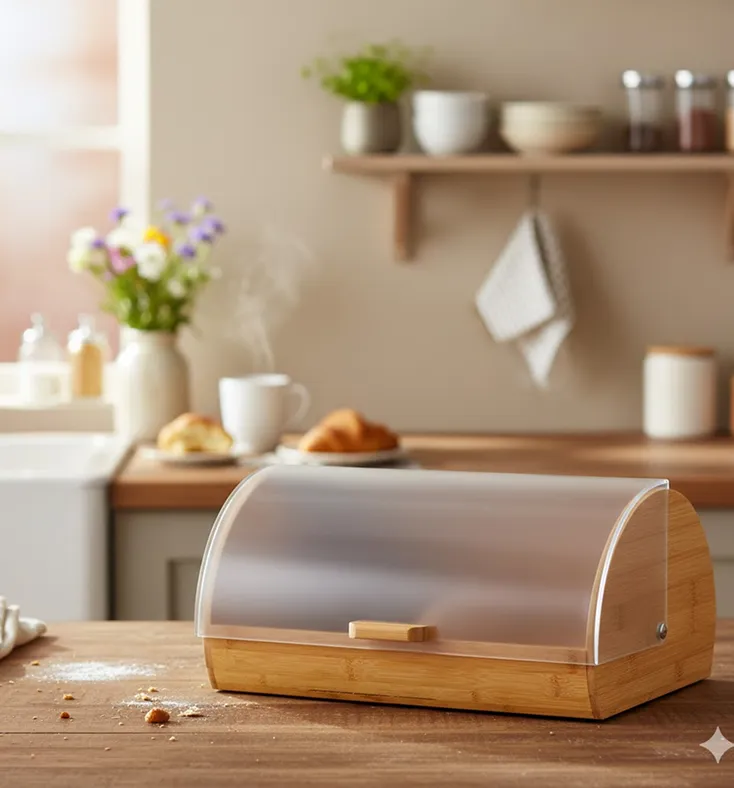
Which Bread Box Is Right for You?
A good bread box combines functionality with great design. It creates the ideal storage environment to help keep bread fresh for longer. At the same time, it's a kitchen accessory that's on display every day. That's why it's worth choosing a model that not only meets your storage needs but also complements your kitchen style.
Bread Boxes – Materials and Their Benefits
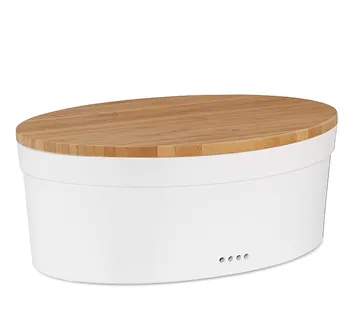
Brotkasten aus Steingut und Ton
Für die Aufbewahrung von Backwaren sind Brotkästen aus Steingut und Ton sehr gut geeignet. Die Materialen selbst können überschüssige Feuchtigkeit aufnehmen und besitzen die Fähigkeit, diese auch wieder an das Brot abzugeben. Bei unglasierten Kästen findet der Feuchtigkeitsausgleich allein über die optimalen Materialien statt. Zur einfachen Reinigung, sind die Brottöpfe teilweise im Inneren glasiert.
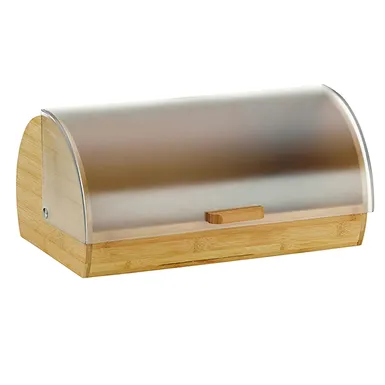
Brotkasten aus Keramik und Holz
Brotkästen aus Keramik sind vergleichbar mit traditionellen Tontöpfen, sofern die Keramik nicht glasiert ist. Aus optischen Gründen und auch zur einfachen Reinigung sind Keramiktöpfe jedoch zumeist glasiert. In diesem Fall sollte der Brotkasten über Luftschlitze oder Luftlöcher verfügen, sodass ein Feuchtigkeitsausgleich stattfinden kann. Brotkästen aus Holz nehmen Feuchtigkeit auf, können diese jedoch nicht mehr abgeben. Daher trocknet das Brot schneller aus und hält sich weniger lange frisch.
Brotkasten aus Keramik und Holz
Brotkästen aus Keramik sind vergleichbar mit traditionellen Tontöpfen, sofern die Keramik nicht glasiert ist. Aus optischen Gründen und auch zur einfachen Reinigung sind Keramiktöpfe jedoch zumeist glasiert. In diesem Fall sollte der Brotkasten über Luftschlitze oder Luftlöcher verfügen, sodass ein Feuchtigkeitsausgleich stattfinden kann. Brotkästen aus Holz nehmen Feuchtigkeit auf, können diese jedoch nicht mehr abgeben. Daher trocknet das Brot schneller aus und hält sich weniger lange frisch.
Cleaning Your Bread Box – Keep Bread Fresher for Longer
Even the best bread box should be cleaned regularly. Over time, bread crumbs and moisture can create an ideal environment for mould growth. Remove crumbs about once a week and wipe the inside of the bread box with a soft cloth and warm water or a mild vinegar solution. Allow it to dry completely before storing fresh bread again. Avoid using harsh cleaning products whenever possible, as they may leave behind residues or damage the material. Regular cleaning helps maintain a hygienic storage environment, so your bread stays fresh for longer.
Choosing the Right Size Bread Box
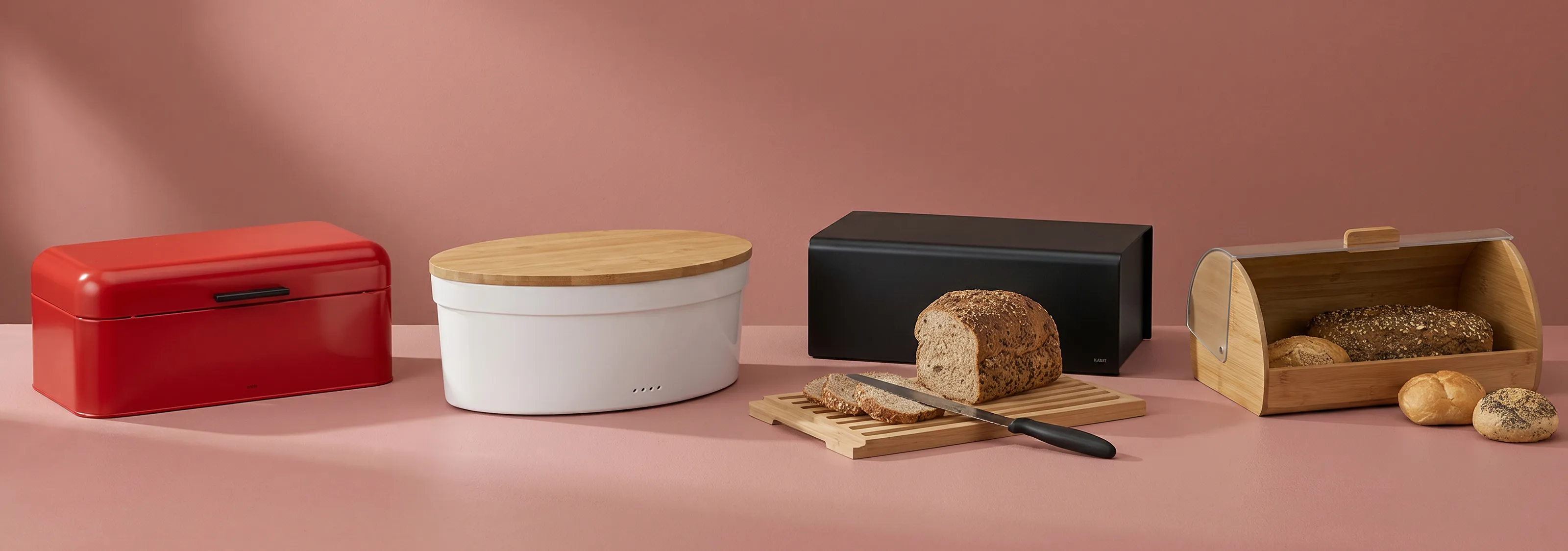
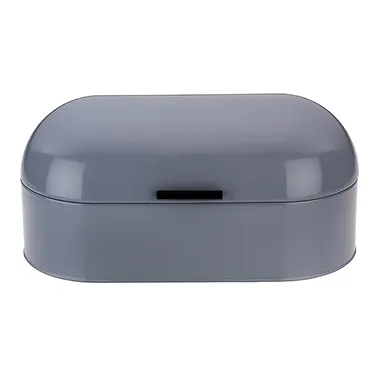
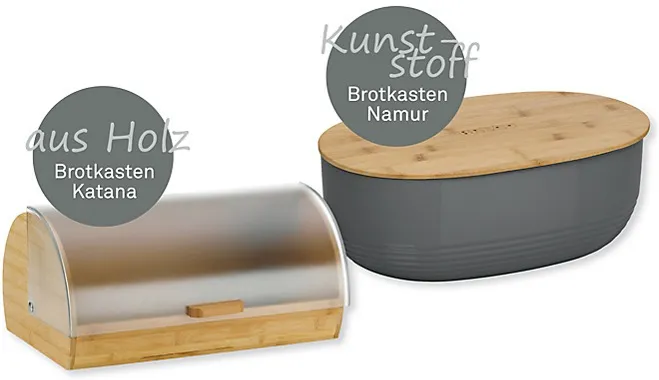
To keep bread fresh for as long as possible, your bread box should provide enough space for proper storage. Good air circulation inside the bread box helps maintain the ideal environment while preventing bread from being squashed. Before choosing a bread box, consider the types of bread and baked goods you usually store. For smaller households, a compact bread box such as Frisca is often the perfect choice. If you regularly buy large loaves or like to store several baked goods at once, a larger model like Namur offers plenty of space. It's also worth considering the available space on your kitchen countertop. Place your bread box in a dry, easily accessible spot, away from direct sunlight and heat sources such as the stove or a radiator.
Where Function Meets Design
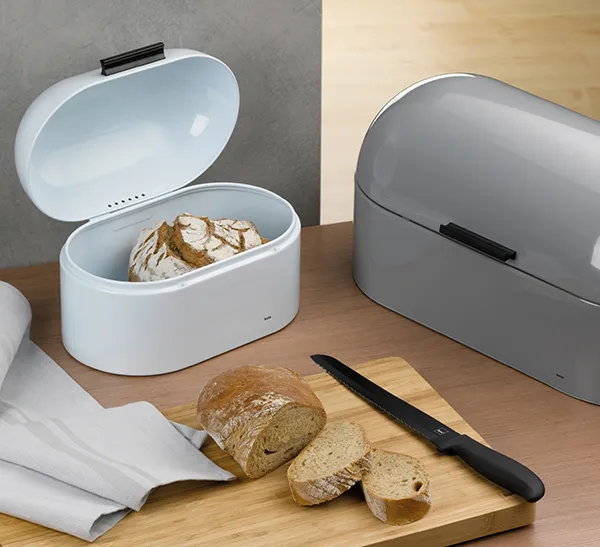
A bread box should not only keep your bread fresh for longer but also complement your kitchen. That's why it's worth considering both its design and its size and material. For a warm, country-style kitchen, Katana with its wooden roll-top lid is an excellent choice. The Namur collection combines a modern plastic body with a bamboo lid, making it a perfect match for Scandinavian-inspired interiors. If you prefer clean lines and timeless design, the Frisco bread boxes in metal are a stylish addition to any kitchen.
Keeping Homemade Bread Fresh
There's nothing quite like a loaf of homemade bread fresh from the oven. With its soft, moist crumb and crisp crust, it needs little more to be enjoyed. But if you happen to have some left over, you may wonder how to keep homemade bread fresh. One of the best ways is to freeze it. As a general rule, the fresher the bread is when frozen, the better it will taste once thawed. However, always allow homemade bread to cool completely before placing it in the freezer.
Tips for Freezing Bread: Depending on how much bread you have left, you can freeze it either whole or sliced. When stored properly at –15 °C to –18 °C (5 °F to 0 °F), bread will keep in the freezer for up to six months. There are several ways to thaw frozen bread. You can leave it covered at room temperature until fully thawed, or let it thaw for about 20 minutes before baking it in a preheated oven at 180–200 °C (350–390 °F) for 15–20 minutes. If you've frozen individual slices, they can be defrosted quickly in the toaster whenever you need them.